School Readiness Checklist – What Should My Child Know Before Starting School?
(This post contains affiliate links. If you click on a link and make a purchase, I may receive a small commission at no extra cost to you)
Starting school is a huge milestone for both children and parents. If your child is due to start Reception this September, you may be wondering whether they’re truly ready for school.
In this guide, we’ll explore the key skills that can help your child settle into school and provide a simple school readiness checklist for parents.
The good news is that children don’t need to be able to read, write, or count to 100 before they start school. Reception teachers expect children to arrive with a wide range of abilities, and their role is to help children develop these skills throughout the year.
Instead, school readiness is about helping your child feel confident, independent, and ready to take part in daily school life.
What Is School Readiness?
School readiness refers to the skills, behaviours, and emotional development that help children adapt to a school environment.
Every child develops at their own pace, and there is no single checklist that determines whether a child is “ready” for school. However, there are several areas that can make the transition smoother and help children feel more confident on their first day.
School Readiness Checklist
1. Basic Independence Skills
One of the most helpful things a child can learn before starting school is independence.
Can your child:
- Put on and take off their coat?
- Use the toilet independently?
- Wash and dry their hands?
- Open their lunchbox or snack container?
- Put away their belongings?
- Recognise their own name?
These everyday skills help children feel confident and allow teachers to spend more time supporting learning and less time helping with routine tasks.
2. Communication Skills
Children don’t need perfect speech or an extensive vocabulary, but they should feel comfortable communicating their needs.
Helpful skills include:
- Speaking in simple sentences
- Asking for help when needed
- Listening to instructions
- Following simple directions
- Taking turns during conversations
You can encourage these skills through everyday chats, storytelling, and imaginative play.
3. Social Skills
School involves sharing space, resources, and attention with many other children.
Some useful social skills include:
- Taking turns
- Sharing toys and resources
- Playing alongside other children
- Understanding simple rules
- Showing kindness and empathy
Playgroups, parks, library sessions, and family gatherings all provide opportunities to practise these skills.
4. Emotional Readiness
It’s completely normal for children to feel nervous about starting school.
Emotional readiness includes:
- Spending short periods away from parents or carers
- Managing small disappointments
- Expressing feelings appropriately
- Developing confidence in new situations
- Understanding that adults at school are there to help
Reading books about starting school can be a great way to discuss worries and build excitement.
Some recommendations for good books around starting school:
5. Listening and Attention Skills
Reception classrooms involve group activities, story time, and teacher-led learning.
Before school, children can benefit from practising:
- Sitting and listening to a short story
- Following two-step instructions
- Concentrating on an activity for a few minutes
- Taking turns during games
Simple activities such as board games, baking, and crafts are excellent ways to build these skills naturally.
6. Early Literacy Skills
Children are not expected to read before they start Reception.
However, it can be helpful if they:
- Recognise their first name
- Enjoy looking at books
- Understand that books are read from front to back
- Listen to stories
- Join in with rhymes and songs
The most important thing is helping children develop a love of books and language.
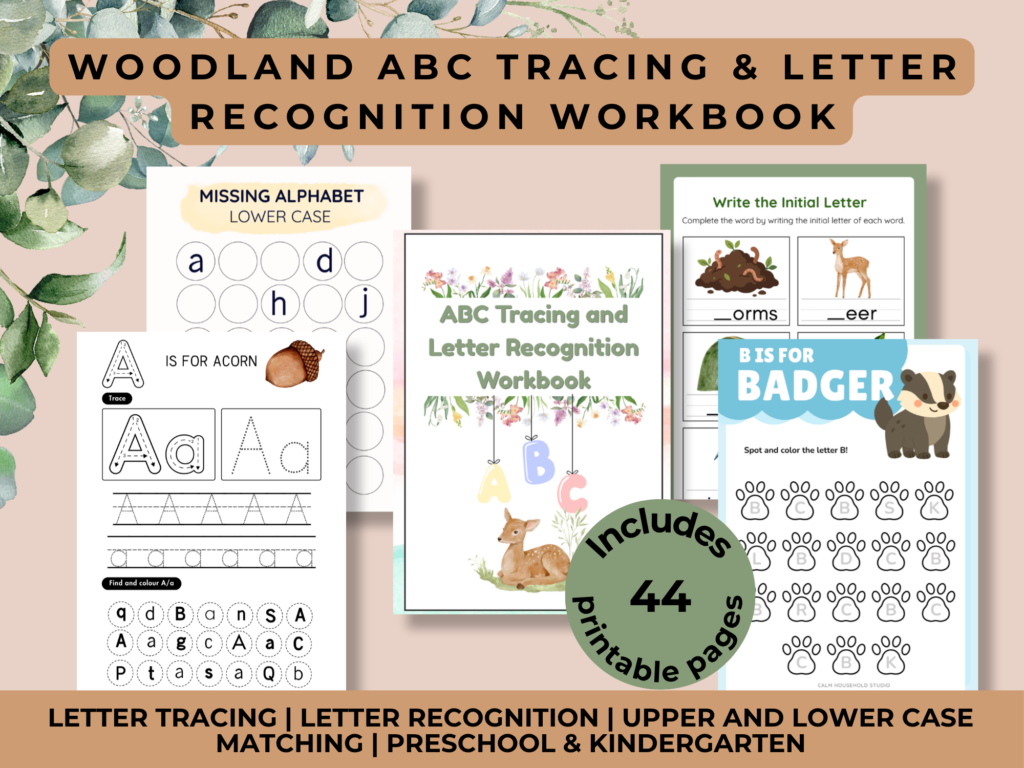
If you are looking for some support with simple letter recognition and tracing activities, try our Woodland Alphabet Workbook to support early letter recognition.
7. Early Maths Skills
Similarly, children do not need advanced maths skills before school.
Useful early concepts include:
- Counting everyday objects
- Recognising some numbers
- Understanding “more” and “less”
- Sorting objects by colour, size, or shape
- Spotting patterns
These skills can be practised through play and daily routines.
What If My Child Can’t Do Everything on the School Readiness Checklist?
Don’t worry.
Very few children will tick every box before starting school, and teachers understand that children develop at different rates.
The purpose of this checklist isn’t to create pressure. Instead, it highlights areas where children may benefit from a little extra practice before September.
Focus on progress rather than perfection.
Simple Activities to Build School Readiness
If you’d like to help your child prepare for school, try:
- Reading together every day
- Practising getting dressed independently
- Encouraging turn-taking games
- Visiting the school if possible
- Talking positively about school
- Creating simple routines
- Giving small responsibilities at home
These activities can build confidence while keeping learning fun and relaxed.
Final Thoughts
Starting school is an exciting new adventure. While it’s natural to wonder whether your child is ready, remember that Reception teachers expect children to arrive with different experiences and abilities.
The best preparation you can offer is helping your child develop confidence, independence, and a positive attitude towards learning.
Every child grows and develops in their own way, and school is there to support that journey.
Free School Readiness Resources
Looking for fun ways to prepare your child for school? Be sure to explore our collection of school readiness activities, printable worksheets, and back-to-school resources designed to help children build confidence before their first day.
If you are looking for some fun activities to help getting ready for school through play, you may like some of the below options.
What if my child feels anxious?
If your child is feeling nervous or anxious about starting school, make sure to check out my guides on dealing with back-to-school anxiety.
- How to handle back to school anxiety
- Help your child create a worry plan (including free template)
- Worry Monster craft