Starting High School: How to Help Your Child Prepare
Moving from primary school to high school is an exciting milestone, but it can also feel overwhelming for both children and parents.
New teachers, larger buildings, different routines, more independence, and new friendships can create a mixture of excitement and nervousness.
We are just about a year off starting high school, so this is a hot topic in our house at the moment. Open days are looming and application decisions have to be made. We moved house a couple of years ago and with that moved out of catchment area for the high school attached to our primary. Moving away from friends and starting high school without knowing anyone is a big challenge that we have had to face and it was daunting at first, but as it is looming ever closer, I think we have come not only to a state of acceptance but also excitement for the new adventures ahead.
The good news is that feeling anxious about starting high school is completely normal. With the right preparation and support, children can approach this transition with confidence and enthusiasm.
In this guide, we’ll explore practical ways to help your child prepare for high school and make the move as smooth as possible.
Why the Transition to High School Can Feel Challenging
Starting high school brings many changes all at once.
Children may be worried about finding their way around a larger school, meeting new teachers or making new friends. For us, the biggest challenge so far has been the prospect of being separated from existing friendship groups. Homework will also now play a bigger part of the school work and with that comes managing the workload and staying organised. Finally, for many students this is the first time they have to travel independently to school.
Even confident children often experience some uncertainty before starting secondary school.
Talk About Expectations
One of the best ways to ease worries is to encourage open conversations.
Ask questions such as:
- What are you most excited about?
- Is there anything you’re worried about?
- What are you looking forward to?
- What do you think high school will be like?
Listening without immediately trying to solve every concern can help children feel heard and supported.
Attend Transition Events
Many schools offer open evenings, school tours and parent information sessions as well as full transition days.
These events provide valuable opportunities to become familiar with the school environment before the first day.
Seeing classrooms, meeting teachers, and exploring the school layout can help reduce uncertainty.
Practice Organisation Skills
High school often requires more independence and organisation than primary school.
Helpful skills include:
- Packing a school bag independently
- Following a timetable
- Keeping track of homework
- Managing equipment
- Organising school supplies
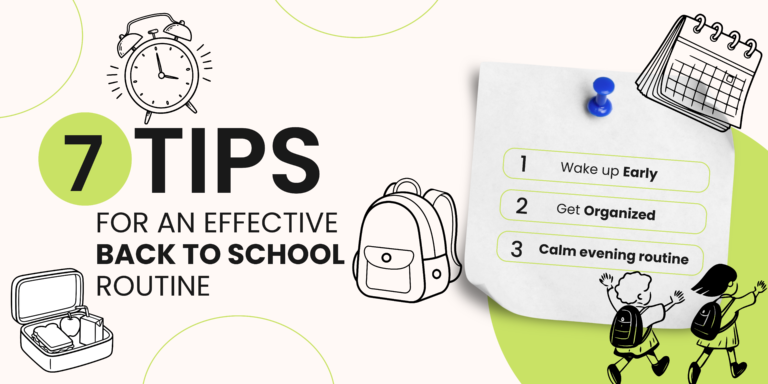
Simple routines established before school starts can make the transition easier.
Encourage Independence
Secondary school brings greater responsibility.
In the months leading up to the transition, encourage children to take ownership of everyday tasks such as:
- Managing their belongings
- Setting alarms
- Preparing for activities
- Keeping track of schedules
Building independence gradually can increase confidence before the new school year begins.
Familiarise Yourself With the School Route
If your child will be walking, cycling, or using public transport, practise the journey together before term starts. Knowing where to go, how long the journey takes and what to do if plans change, can significantly reduce first-day worries.
Talk About Friendships
Many children worry about friendships when moving to high school.
You can reassure your child that lots of students are feeling the same way. It is a daunting experience but you are all in it together and new friendships will develop naturally. Make sure your child knows that teachers are there to help if problems arise.
Remind your child that it takes time for everyone to settle into new social groups.
In our house, the biggest worry is the loss of existing friendships, so we have been talking about lots of ways we can continue those even if his friends will be at another school.
Prepare for Homework and Study Habits
Homework expectations often increase in secondary school.
Before term begins, consider creating a homework space and a simple study routine. Have a visible family calendar for deadlines and activities to help keep on top of work.
Good habits established early can make school life much easier later on.
Help Manage First-Day Nerves
Feeling nervous doesn’t mean your child isn’t ready.
Remind them that everyone is new at some point and it is okay to ask questions. Teachers will expect students to need help. Their confidence will grow with experience.
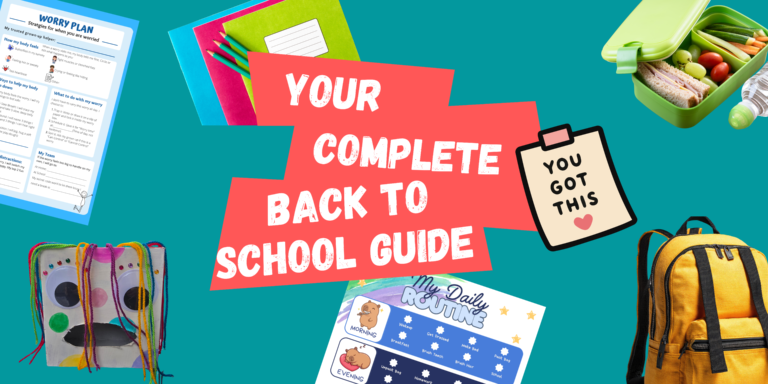
If your child is feeling particularly anxious, you may find these resources helpful:
- How to Handle Back to School Anxiety (For Kids & Parents)
- How to Create a Worry Plan for Children
- Easy Worry Monster Craft for Kids
While these activities are often used with younger children, many of the same principles can help older children manage worries and build confidence.
High School Transition Checklist
Before the first day, try to ensure your child has:
✔ Attended transition events if available
✔ Practised the school journey
✔ Organised school supplies
✔ Labelled belongings
✔ Discussed any worries or concerns
✔ Established a morning routine
✔ Prepared a homework space
✔ Reviewed school expectations
✔ Packed their school bag
✔ Got plenty of rest before term begins
A simple checklist can help children feel organised and prepared.
Remember That Adjustment Takes Time
The first few weeks of high school can feel tiring and overwhelming.
Children are:
- Learning new routines
- Meeting new people
- Navigating a larger environment
- Managing increased responsibility
It’s perfectly normal for them to feel exhausted while adjusting.
Offer plenty of encouragement and celebrate small successes along the way.
If you want further support, the Child Mind Institute has some excellent resources to help with anxiety around school transition.
Final Thoughts
Starting high school is a significant step towards greater independence and new opportunities.
While it’s natural for children to feel nervous, preparation, reassurance, and open communication can make a big difference.
Most children settle far more quickly than they expect. By focusing on practical preparation and emotional support, you can help your child approach this exciting new chapter with confidence.
Remember: they don’t need to know everything on day one. High school is a journey, and learning how to navigate it is all part of the adventure.