How to Create a Worry Plan for Children (+ Free Printable Template)
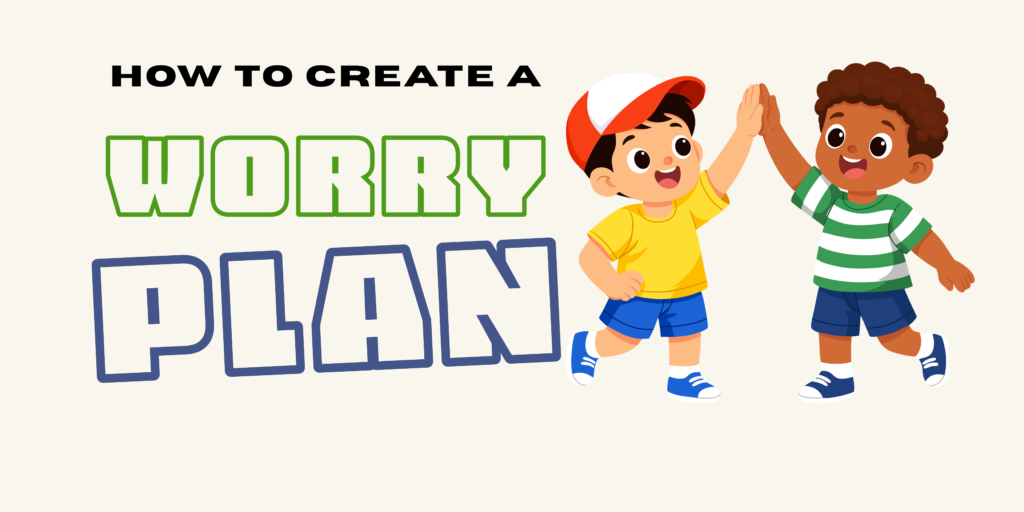
When children feel worried, anxious, or overwhelmed, it can be difficult for them to explain exactly what is bothering them. Big feelings can seem confusing, especially for younger children who are still learning how to identify and manage their emotions.
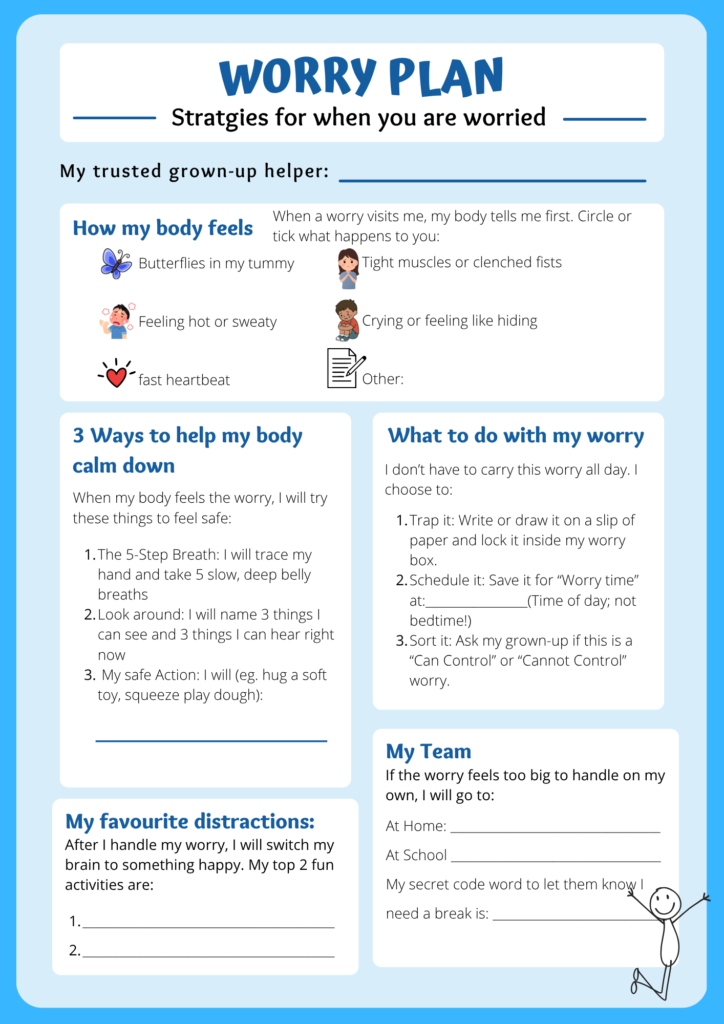
That is why I have created the Worry Plan for children to help you work on a plan together.
A worry plan encourages children to think about what is worrying them, what they can do about it, and who they can turn to for support. It helps turn overwhelming worries into manageable steps and gives children a sense of control.
To help you get started, I’ve created a free printable Worry Plan template that you can download and use with your child.
What Is a Worry Plan for Children?
A worry plan is a simple tool that helps children:
- Identify their worries
- Talk about their feelings
- Think about possible solutions
- Develop coping strategies
- Recognise who can help them
Rather than keeping worries bottled up inside, children learn that they can acknowledge their feelings and take positive steps to manage them.
When Can a Worry Plan Help?
A worry plan for children can be useful whenever a child is feeling anxious or uncertain.
Common situations include:
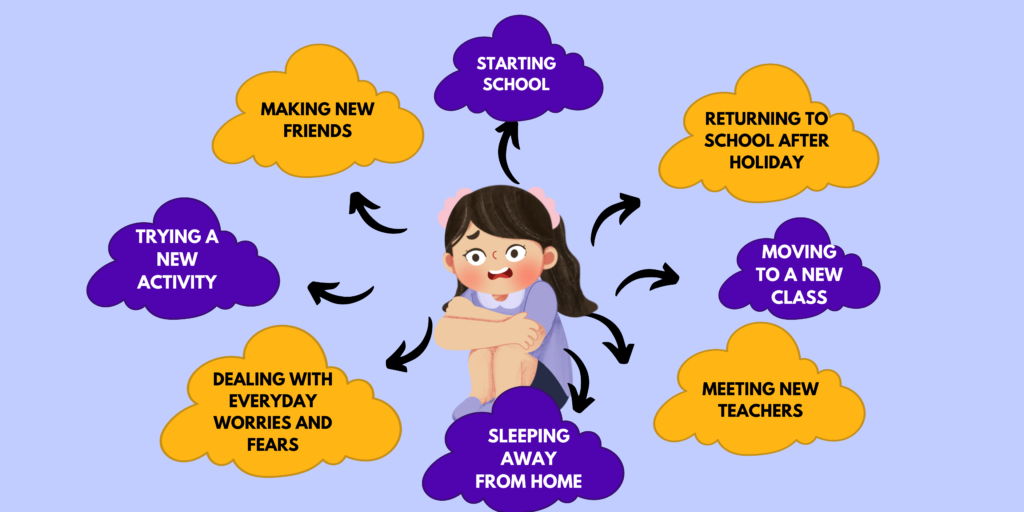
The process can help children feel more prepared and confident when facing unfamiliar situations.
How to Use the Worry Plan Template
Set aside some quiet time and work through the template together.
1. Identify the Worry
Start by asking your child what is worrying them.
Encourage them to be as specific as possible.
For example:
- “I’m worried I won’t know anyone.”
- “I’m worried about finding my classroom.”
- “I’m worried that I’ll miss my parents.”
Writing worries down often helps make them feel less overwhelming.
2. Think About What Might Help
Next, help your child explore possible solutions or coping strategies.
For example:
- Talk to a teacher if they need help.
- Find a friend to sit with.
- Practise a school routine at home.
- Take some deep breaths when feeling nervous.
The goal isn’t to eliminate every worry but to help children feel prepared to handle them.
3. Identify Trusted Helpers
Remind children that they don’t have to manage worries alone.
Ask them:
- Who could you talk to if you feel worried?
- Which adults can help you?
- Are there friends you can turn to?
Knowing who is available for support can be incredibly reassuring.
4. Create a Positive Reminder
Finish by encouraging your child to write or draw a positive message for themselves.
Examples might include:
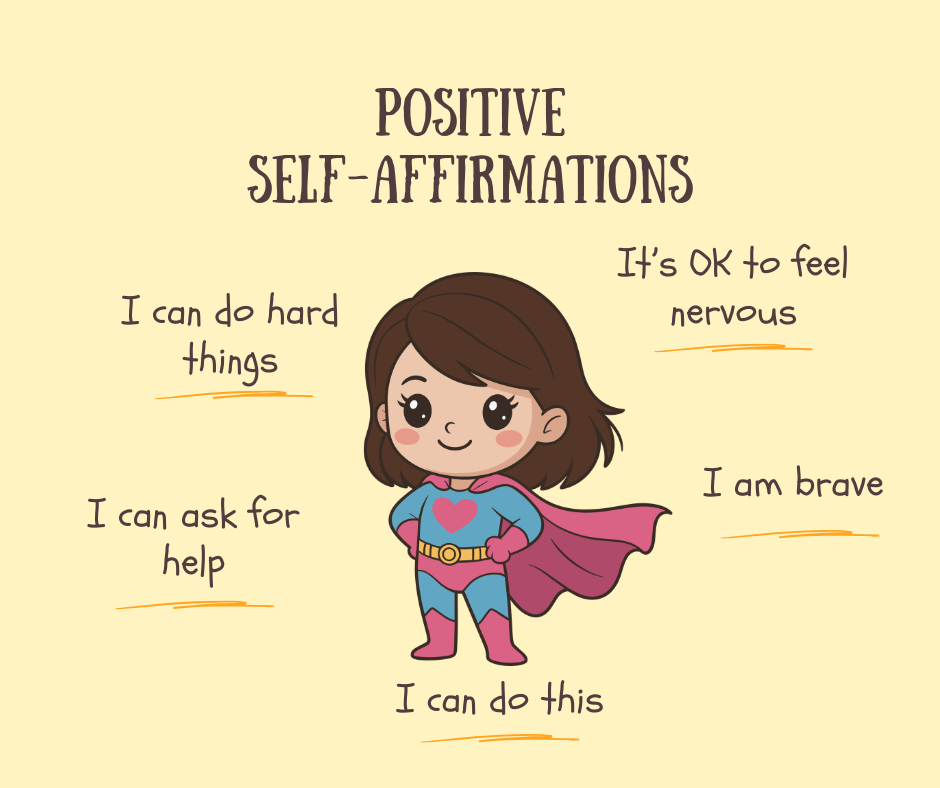
These positive reminders can help build confidence when worries start to grow.
Pair Your Worry Plan With a Worry Monster
For younger children, combining a worry plan with a Worry Monster can be especially effective.
After completing the worry plan, children can write down their worries and feed them to their Worry Monster. This playful activity creates another opportunity to talk about feelings and can help children feel that their worries are being safely looked after.
Be sure to check out our step-by-step Worry Monster craft tutorial for a fun way to support emotional wellbeing at home.
Supporting Children Through School Anxiety
If your child is feeling nervous about starting or returning to school, a worry plan can be a useful first step.
You may also find these resources helpful:
- School Readiness Checklist: What Should My Child Know Before Starting School?
- How to Handle Back to School Anxiety (For Kids and Parents)
- Worry Monster Craft for Kids
Together, these activities and resources can help children build confidence and feel more prepared for the new school year.
Remember, feeling worried is a normal part of growing up. What matters most is helping children learn that they have the tools and support they need to manage those feelings.